Call or Text Now
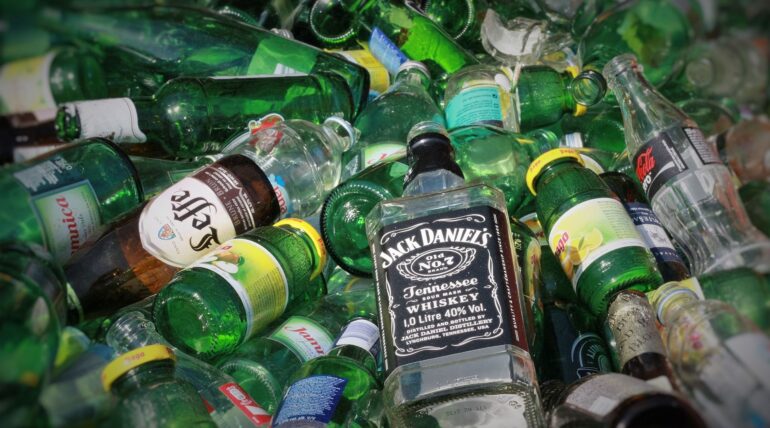
Not sure how to dispose of alcohol you no longer need, whether it’s leftover liquor, old rubbing alcohol or denatured alcohol?
The right method depends on the type, and a wrong move can mean a fire hazard, damaged plumbing or environmental harm. Leftover drinking alcohol is handled very differently from rubbing alcohol (isopropyl alcohol) or denatured alcohol, which are flammable and need extra care.
Here’s a clear, step-by-step solution for each type below, from the sink to the drop-off to the recycling bin. If you run a business with bulk, recalled or regulated alcohol, jump to the conclusion for next steps.
Key Takeaways
- Rubbing alcohol can’t just be thrown out; at home it counts as household hazardous waste, so local rules apply, and it is highly flammable, meaning proper ventilation, protective gloves, and the elimination of ignition sources are critical.
- The primary concern with expired or unsellable drinking alcohol is identifying nonmerchantable products, removing them from inventory, and ensuring they are destroyed so they cannot be resold or consumed.
- Denatured alcohol is a toxic substance that can harm people and the environment if not disposed of properly; it should never be stored in open containers or poured down drains, as this creates serious fire and plumbing hazards.
- Businesses with bulk, recalled or regulated alcohol should read the conclusion for next steps.
Which Type of Alcohol Do You Have?
If you have alcohol that has expired, gone off, or that you simply no longer want, you may be wondering what to do with it.
Before we dive into disposal methods, let’s take a look at the three main types of alcohol people need to dispose of at home.
1. Rubbing Alcohol (Isopropyl Alcohol)
Rubbing alcohol (also known as isopropyl alcohol) is a type of strong alcohol that typically contains 70% to 90% isopropanol and is commonly found in a variety of disinfectants and cleaning products.
Because rubbing alcohol is so common in homes, workshops and first-aid kits, it’s worth knowing how to dispose of isopropyl alcohol (IPA) safely.
2. Drinking Alcohol (Beer, Wine, Spirits)
The alcoholic beverages market size was valued at $2,564.92 billion in 2025 and is projected to continue growing in the coming years. It should come as no surprise, then, that this industry also faces the challenge of managing large quantities of waste, making solutions like wine disposal safe, legal and efficient options increasingly important.
Beverage companies, manufacturers, distributors, and retailers are typically responsible for handling and managing non-merchantable drinking alcohol. At commercial volumes — particularly for recalled product, off-spec inventory, or large-scale spoilage events — informal disposal is rarely compliant or practical.
3. Denatured Alcohol (Treated to be Non-consumable)
Denatured alcohol is a type of alcohol that has been mixed with chemicals to render it unfit for human consumption. It’s commonly used in the manufacturing of products such as antifreeze, paint thinners, and nail polish remover.
How to Dispose of Rubbing Alcohol
Rubbing alcohol can’t just be thrown out. Household rubbing alcohol is classified as hazardous liquid waste , which EPA excludes from federal hazardous waste rules, so local rules apply. It is highly flammable, meaning it must be disposed of properly and with care.
Here’s what you should know:
Safety Tips Before Disposing of Rubbing Alcohol
The fumes from rubbing alcohol are dangerous to breathe in and can cause serious damage to your lungs.
To reduce overall safety risks when handling rubbing alcohol, follow these precautions:
- Ventilation: Open windows or turn on fans before emptying any containers of rubbing alcohol.
- Gloves: Wear gloves to protect your skin from irritation.
- Eliminate ignition sources: Keep rubbing alcohol away from open flames, sparks, heat sources, or smoking areas.
Step-by-Step Guide to Dispose of Rubbing Alcohol Properly
Household quantities of rubbing alcohol shouldn’t be poured down the drain or put in the regular trash. Follow these steps, based on EPA household hazardous waste guidance:
| Step | Action | What it means |
|---|---|---|
| Step 1 | Keep it in its original container | Leave the rubbing alcohol in its original, labeled container with the cap on tight, so anyone handling it knows what’s inside. |
| Step 2 | Don’t mix it | Don’t combine it with other products or chemicals, including other types of alcohol. |
| Step 3 | Store it safely | Keep it away from heat sources, sparks and open flames, and out of reach of children and pets, until you can drop it off. |
| Step 4 | Don’t pour it out or throw it away | Never pour it down a drain or onto the ground, and don’t put it in the regular trash. |
| Step 5 | Take it to household hazardous waste collection | Bring it to your local household hazardous waste collection program or drop-off day. Check with your city or county waste authority for locations and dates. |
Can You Pour Rubbing Alcohol Down the Drain?
No. Household rubbing alcohol shouldn’t go down the drain or in the regular trash, because it’s flammable. Take it to your local household hazardous waste collection program or drop-off day instead.
If you’re wondering whether isopropyl alcohol can go down the drain, the answer is also no. Used or contaminated isopropyl alcohol, such as from cleaning or 3D printing, also goes to household hazardous waste collection.
How to Dispose of Leftover or Expired Drinking Alcohol
If you’re wondering how to dispose of alcoholic beverages at home, the answer is simple. Small amounts of beer and wine can usually go down the sink if your local wastewater authority allows it, higher-proof spirits should be checked with your local waste authority first, and empty bottles go in the recycling.
For businesses, the picture is different. The federal exclusion from the ignitability rule covers only liquids with less than 24% alcohol by volume and at least 50% water by weight, so high-proof spirits discarded in bulk can count as hazardous waste (according to 40 CFR 261.21).
When Drinking Alcohol Needs Disposal (Common Scenarios)
There’s a long list of potential scenarios that could lead to alcohol disposal:
- Expired or degraded product: Alcohol that has passed its expiration date or lost quality.
- Contamination: Alcohol that has been contaminated or stored improperly.
- Damaged or leaking containers: Bottles or cans of alcohol with compromised packaging.
- Unwanted bottles: Gifts, party leftovers, or bottles from a clear-out that you won’t drink.
- Leftovers: Opened bottles, flat beer, or wine that has gone off.
- Off taste or smell: Alcohol that tastes or smells wrong.
Step-by-Step Guide to Dispose of Spoiled or Expired Alcohol
Unlike rubbing alcohol, spoiled or expired drinking alcohol in household amounts does not usually require hazardous waste handling. Instead, disposal comes down to a few simple steps:
| Step | Action | What it means |
|---|---|---|
| Step 1 | Identify what you have | Check whether it’s beer, wine or spirits, and whether it’s spoiled, expired or simply unwanted. For spirits, note the alcohol content on the label. |
| Step 2 | Check your local rules | Confirm that your local sewer or wastewater rules allow small amounts of alcohol to go down the drain. |
| Step 3 | Follow the locally permitted disposal method | For small household quantities of beer or wine, follow your local wastewater authority’s guidance. If drain disposal is permitted, follow any applicable limits or instructions. For higher-proof spirits or uncertain situations, contact your local waste authority rather than assuming dilution makes drain disposal appropriate. |
| Step 4 | Recycle the packaging | Rinse and recycle empty bottles and cans through your local program, in alignment with sustainable beverage packaging initiatives. |
| Step 5 | Handle larger amounts differently | If you have far more than a few bottles, or high-proof spirits in bulk, see the note for businesses above and the conclusion below. |
How to Dispose of Denatured Alcohol
Why does denatured alcohol require special handling?
Denatured alcohol is a toxic substance that can harm both people and the environment if not disposed of properly. Several factors must be considered before handling this type of waste.
For example, denatured alcohol should never be stored in an open container or poured down a drain or sink, as this can create serious fire hazards and potentially damage plumbing systems.
For this reason, treat denatured alcohol like other household hazardous waste and follow your local collection rules to prevent safety, environmental, and regulatory risks.
Step-by-Step Guide to Dispose of Denatured Alcohol Safely
Safe denatured alcohol disposal relies on using appropriate containment and transportation methods to reduce risks during handling and removal.
Here are some tips to maintain safe handling practices:
| Step | Action | What it means |
|---|---|---|
| Step 1 | Protection | Protect your eyes and hands before handling any alcohol waste. If possible, wear long sleeves for added protection from any splashes caused by mishandling during transport or disposal procedures. |
| Step 2 | Container | Never pour denatured alcohol down the drain, sink, or toilet or onto the ground, and don’t put it in the regular trash. Instead, keep it in its original, labeled container with the lid tightly closed, and don’t mix it with other products. If the original container is damaged or leaking, contact your local household hazardous waste program for instructions on safe containment and transport. Do not mix the contents with other products. |
| Step 3 | Storage | Store the container in a cool, well-ventilated area away from heat sources, open flames, and incompatible materials. Keep it secured until you can drop it off. |
| Step 4 | Drop-off | Take it to your local household hazardous waste collection program or drop-off day. Check with your city or county waste authority for locations and dates. |
Household hazardous waste rules and drop-off options vary by city and county as well as by state, so check with your local waste authority to find out what’s accepted and when. Not sure what to do with old alcohol bottles? See the FAQ below on recycling empty liquor bottles.
How to Dispose of Alcohol: Key Safety Tips
Regardless of the alcohol type you’re handling, these cross-cutting safety principles apply:
- Never mix alcohol types during disposal. Rubbing alcohol, denatured alcohol, and drinking alcohol have different chemical profiles and must be handled in separate, clearly labeled containers.
- Keep all alcohol waste away from heat, sparks, and open flames. Both rubbing and denatured alcohol are highly flammable — even small ignition sources create serious risk.
- Always wear appropriate PPE. Gloves and eye protection are the minimum for any alcohol disposal activity. Long sleeves are recommended when handling denatured alcohol.
- Ventilate before you start. Alcohol fumes accumulate quickly in enclosed spaces. Open windows or activate fans before handling or emptying any containers.
- Never pour denatured alcohol down the drain. This creates fire hazard and plumbing damage risk — always keep it in its original, sealed container and take it to your local household hazardous waste collection.
- Note what you disposed of and when. Even for informal small-scale disposal, a basic record helps if questions arise later.
- When in doubt, call your local waste authority. If you’re unsure how to dispose of alcohol safely, your local household hazardous waste program can advise you quickly.
Conclusion
Here’s a quick recap of how to dispose of alcohol at home:
- Small amounts of beer or wine can go down the sink only if your local wastewater authority allows it. For higher-proof spirits, or if you’re unsure, check with your local waste authority first.
- Rubbing and denatured alcohol go to household hazardous waste collection.
- Empty bottles go in recycling.
Bulk, recalled or out-of-date alcohol is a different job. It needs collection, transport and documented handling that household methods don’t cover, and you may need records for audits, recalls or TTB excise tax refund claims. If that’s your situation, learn more about Shapiro’s alcohol disposal services.
FAQs
Can you pour alcohol down the sink?
For very small household quantities of beer or wine, pouring them down the sink or drain may be acceptable if your local wastewater authority allows it, so check local guidance first. Dilution alone doesn’t make drain disposal appropriate, especially for higher-proof spirits, so if you’re unsure, contact your local waste authority. Rubbing alcohol and denatured alcohol should never be poured down the sink or drain.
Businesses should not assume alcohol waste can be discharged into a sewer. Any permitted discharge depends on the material, concentration, applicable permits, and local wastewater authority requirements. Large volumes introduce significant BOD loads into wastewater systems and can violate local discharge permits.
How do you dispose of old or unwanted alcohol?
It depends on the type and volume. To dispose of unwanted alcohol at home, follow your local wastewater authority’s guidance for small quantities of beer or wine, and contact your local waste authority for higher-proof spirits. Rubbing and denatured alcohol should go to your local household hazardous waste collection program because they’re flammable. Businesses with bulk, recalled or regulated alcohol should work with a professional alcohol disposal service that can handle collection, transport and documentation.
Is alcohol considered hazardous waste?
It depends on the type of alcohol and who is disposing of it.
At home, rubbing and denatured alcohol count as household hazardous waste, which EPA excludes from federal hazardous waste rules, so your local rules apply and they should go to a household hazardous waste collection program. Drinking alcohol in small household amounts is generally not treated as hazardous waste.
For businesses, the federal exclusion from the ignitability rule covers only liquids with less than 24% alcohol by volume (and at least 50% water by weight), so high-proof spirits discarded in bulk can count as hazardous waste. Even non-hazardous alcohol can create environmental and regulatory problems when disposed of improperly at volume.
How do you dispose of denatured alcohol safely?
Denatured alcohol should never be poured down a drain or stored in open containers — both create fire hazards and plumbing risks. Keep it in its original, labeled container with the lid tightly closed, don’t mix it with other products, store it away from heat sources, and take it to your local household hazardous waste drop-off or collection day.
When should you use a professional alcohol disposal service?
Once volume, compliance obligations, or safety requirements exceed what your team can manage internally, professional support is the right call. This includes bulk expired inventory, recalled product, multi-location disposal needs, or any situation involving TTB documentation requirements. A qualified alcohol disposal partner can help coordinate collection, transportation, suitable processing routes, and project documentation, while applicable regulatory responsibilities remain with the relevant parties Learn more about alcohol disposal for businesses.
Can you recycle empty liquor bottles?
Yes, in most areas. To dispose of liquor bottles, pour out any remaining liquid (see the drinking alcohol steps above), rinse the bottle, and place it in your local recycling program. Check your local program’s rules on caps and labels.
our expert

Peter W. Klaich Director, Agriculture/Animal Health
Peter Klaich is a leading expert within the agricultural recycling and animal health market arena, known for leading National Sales at Skip Shapiro Enterprises since June 2016. He focuses on advancing sustainable recycling solutions and waste management practices across the agricultural industry.