866-99-RECYCLE
Shapiro helps businesses manage expired, off-spec, recalled, damaged, or unsaleable alcohol products through commercial alcohol disposal, alcohol recycling, and ethanol recycling solutions. Whether you need to handle packaged alcoholic beverages, bulk alcohol, hand sanitizer, alcohol-based products, or ethanol-containing waste, our team helps coordinate responsible recovery, recycling, destruction, documentation, and service support across the country.
When alcohol or ethanol-containing products can no longer be sold, stored, or distributed, they need to be handled carefully. Shapiro supports alcohol providers, manufacturers, retailers, distributors, and other commercial businesses with practical disposal and recycling programs designed to reduce waste, support compliance needs, and protect your brand.
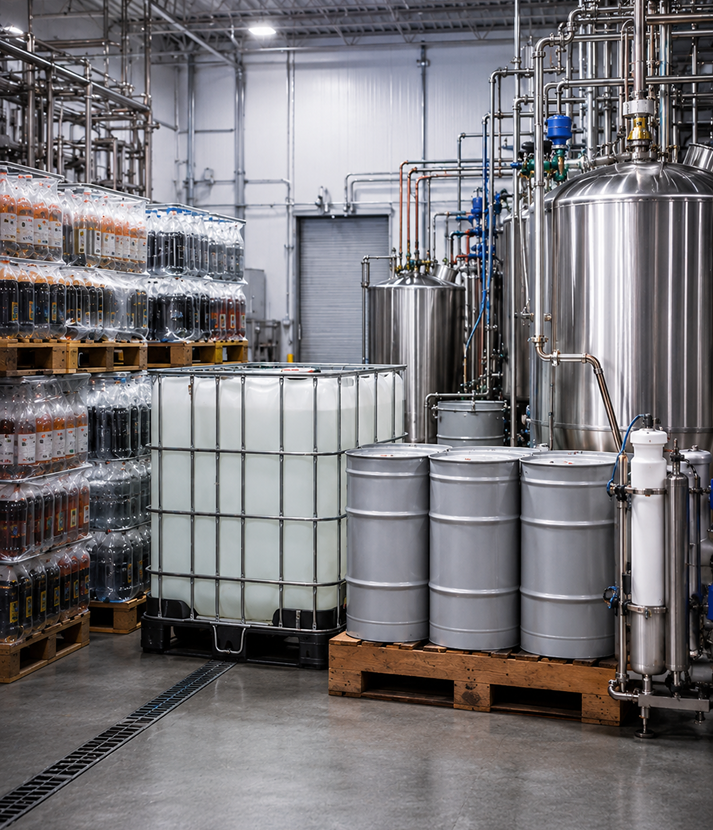
Commercial alcohol disposal is needed when alcohol-containing inventory can no longer remain in the saleable supply chain. This may happen because of age, packaging damage, recall activity, production issues, formula changes, discontinued SKUs, product returns, or internal quality control requirements.
Alcohol Recycling vs. Alcohol Disposal: What Is the Difference?
Alcohol disposal is the broader commercial service category. It refers to the safe, responsible, and documented handling of alcohol-containing products that must be removed from sale, storage, distribution, or production. Disposal may involve product destruction, special handling, transportation coordination, documentation, and routing to an approved outlet.
Alcohol recycling or ethanol recycling refers to the recovery or reuse pathway that may be available when the material can be processed into a beneficial output, such as renewable fuel feedstock or another approved recovery stream. Whether recycling is available depends on the alcohol type, packaging, contamination risk, volume, regulatory requirements, and processor capabilities.
Businesses often need more than a disposal vendor. They need documentation that shows what happened to unsaleable alcohol products after they left the facility, warehouse, retailer, distributor, or production site.
Alcohol recycling companies help businesses manage unsaleable alcohol, ethanol-containing products, and alcoholic beverage inventory that cannot be sold, distributed, or reused internally. Depending on the material and project requirements, the alcohol may be routed for recovery, recycling, renewable fuel feedstock, documented disposal, or destruction.
Yes. Shapiro helps commercial businesses coordinate alcohol disposal, alcohol recycling, ethanol recycling, and documented handling for expired, off-spec, recalled, damaged, or unsaleable alcohol products.
In some cases, expired or unsaleable alcohol can be routed toward recycling or recovery options. The right path depends on the product type, alcohol content, packaging, contamination risk, volume, location, and applicable regulatory or processor requirements.
Alcohol disposal is the broader process of removing unsaleable alcohol products from the commercial stream. Ethanol recycling focuses on recovering usable alcohol or ethanol value when a recovery pathway is available.
Businesses should not treat ethanol disposal as ordinary waste. Ethanol-containing materials should be reviewed based on product type, volume, packaging, and handling requirements. Shapiro can help evaluate the material and coordinate an appropriate recycling, recovery, disposal, or destruction path.
Many commercial alcohol disposal projects require documentation for internal compliance, audits, product recalls, insurance records, inventory write-offs, tax files, or brand protection. Documentation requirements should be confirmed before the project begins.
Yes, Shapiro can help coordinate solutions for packaged alcohol products such as beer, wine, spirits, canned cocktails, kegs, bottles, cases, pallets, or bulk loads, depending on the material type, location, and project requirements.
Shapiro can help evaluate alcohol-based products such as hand sanitizer, personal care products, cosmetics, and other ethanol-containing materials. The correct handling path depends on the product formula, packaging, volume, and processor requirements.
Contact Shapiro to discuss your product type, volume, location, documentation needs, and disposal or recycling requirements.
About
Contact Info
2026 © Copyright, Shapiro. All Rights Reserved. Privacy Policy | Terms & Conditions
Hi there! Can I help you?