Call or Text Now
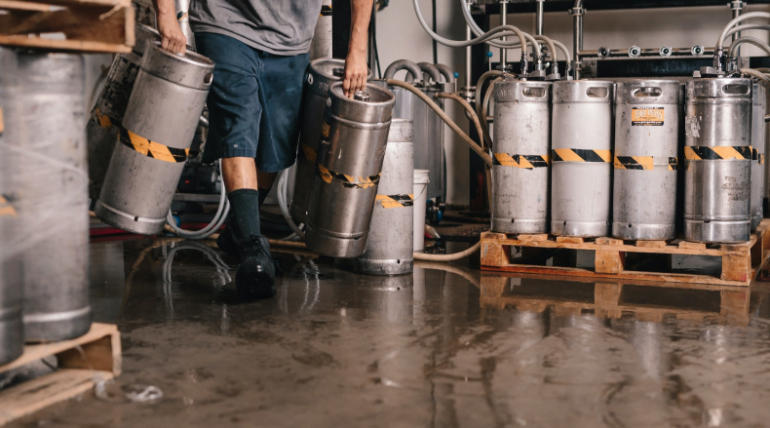
Beer kegs are built to store and transport draft beer efficiently, but they are not meant to hold product forever. Inventory ages. Kegs come back from events partially full. Product gets discontinued. Some kegs leak, fail quality checks, or can no longer stay in circulation.
That is where beer keg decanting comes in.
At a basic level, beer keg decanting is the controlled process of removing beer and gas from a keg so the contents can be managed safely, and the cooperage can be handled correctly.
For breweries, distributors, event operators, and others working with returned or unsaleable draft inventory, decanting beer kegs is not just a cleanup task. It is part of a broader operational workflow that can involve beer keg recycling, beer keg disposal, liquid waste disposal, or other downstream handling options depending on the condition and volume of the product.
This guide explains what beer keg decanting is, when it is needed, whether can you recycle beer kegs is the right question to ask, and how breweries should think about beer keg disposal and final handling when draft inventory can no longer remain in circulation.
What is beer keg decanting?
Beer keg decanting is the process of draining the liquid out of a keg through a safe dispensing system while also releasing the gas in a controlled way. The goal is to empty the keg without contamination, uncontrolled spillage, or damage to the container.
That sounds simple, but in practice it is more technical than just “opening the keg.” Pressure has to be managed safely. The beer has to be routed properly. And the empty keg itself has to be handled based on ownership, return requirements, and local regulations.
In other words, decanting beer kegs is part liquid handling, part logistics, and part compliance.
When is beer keg decanting needed?
Not every keg needs to be decanted. But when draft inventory can no longer be sold, served, or returned in usable condition, breweries often need a controlled next step.
1. Expired or aging draft inventory
Draft beer has a shelf life, and once it passes that useful window, quality becomes the issue. Following strong beer storage methods can help breweries protect freshness and reduce avoidable losses, but these best practices cannot fix product that has already aged out or fallen below quality standards.
When that happens, beer keg decanting may be necessary before the keg can be returned, or the contents can be routed into an approved downstream process.
2. Damaged, leaking, or non-compliant kegs
Sometimes the problem is not age. It is condition. Kegs may come back damaged, leaking, or tied to a quality concern. In those cases, decanting beer kegs becomes part of a more controlled product-removal workflow that may also connect to an experienced beverage destruction company when the product should not remain in market.
3. Returned, partial, or unsold event kegs
Large events, stadiums, seasonal promotions, and hospitality channels often generate partially full or unsold kegs. Those kegs may still contain liquid, but that does not mean the product can simply go back into circulation. Decanting helps separate the cooperage from the leftover beer so each can be handled correctly.
4. Brewery cleanouts and operational resets
Breweries also run into decanting needs during warehouse resets, product transitions, line cleanouts, and inventory consolidations. When large numbers of kegs need to be processed quickly, safe decanting helps keep the operation moving without turning the site into a spill, storage, or routing problem.
How the beer keg decanting process works
The basic idea is straightforward: empty the keg safely and route the contents correctly. The details are what matter.
1. Safe tapping and controlled draining
A proper tapping device is used to access the keg and release the beer in a controlled way. Pressure and gas need to be managed carefully to avoid uncontrolled discharge or mess.
2. Gas removal and contamination prevention
Beer kegs are not just containers for liquid. They also hold pressurized gas. A proper process removes both the beer and the gas safely, which is one reason decanting beer kegs is better handled through an established workflow instead of an improvised one.
3. The liquid and the keg are not the same issue
One of the biggest mistakes people make is treating the beer and the keg as if they are the same disposal problem. They are not.
The beer may need recycling, discharge approval, alcohol waste handling, or other downstream management. The keg itself is usually cooperage that belongs to someone and may need to be returned rather than discarded. That is why empty beer keg disposal should never be treated as a simple scrap decision without first considering ownership, return requirements, and the next operational step.
Can you recycle beer kegs?
This is where things often get confusing. In many cases, the answer is yes, but not in the way people assume.
The steel keg itself often has value, but ownership and return logistics matter more than scrap value. That is especially true when you consider the different types of kegs and the handling requirements that may vary between them. For many breweries, the first question is not only can you recycle beer kegs. It is also what to do with empty beer kegs once the beer has been removed and the cooperage can be evaluated on its own.
Ultimately, keg handling usually comes down to three different paths:
- beer keg return process
- beer keg recycling
- beer keg disposal
Those are not interchangeable.
In many cases, the keg shell should go through a proper beer keg return process and be sent back to its owner rather than treated as waste. If the keg cannot be returned and is no longer usable, beer keg recycling may be the next best option. If neither return nor recycling is appropriate, businesses may need a more controlled beer keg disposal workflow.
That is why how to dispose of old beer kegs is not really a one-line answer. The liquid inside and the container itself often need to be handled separately. The beer may need to be routed into alcohol waste or another approved downstream outlet, while the shell may need to be returned, recycled, or otherwise managed through an appropriate beer keg disposal process.
As for beer keg recycling value, it is usually better to think operationally than just financially. The value is not only in the metal. It is in returning cooperage correctly, avoiding mishandling, and routing the keg shell in a way that does not create a bigger problem.
What happens to the beer after decanting?
Once the keg is emptied, the beer still needs a destination. The right option depends on volume, condition, facility capability, and local approvals.
1. Recycling expired beer
In some cases, breweries can route decanted beer into broader workflows for recycling expired beer instead of treating it as simple waste. Breweries exploring broader circular brewery practices may also look at how decanted beer fits into wider beer-waste recovery strategies.
2. Agricultural or land-use applications
Beer contains sugars and organic material that may make it useful in certain downstream applications. In some cases, it can be routed into land applications or related uses where beer can be used as fertilizer.
3. Managed disposal or alcohol waste routing
Not every batch can be repurposed. Some loads need straightforward, controlled handling through liquid waste disposal or broader alcohol waste workflows, especially when product condition, contamination risk, or logistics make reuse impractical.
The key point is this: decanting is the process that makes those next steps possible. It is not the final destination by itself.
When decanting overlaps with disposal or destruction workflows
If the beer is unsaleable, non-compliant, damaged, contaminated, or otherwise unfit to remain in circulation, the decanting process may be the front end of a broader removal workflow. That is where routing, documentation, and controlled final handling become important.
This is especially relevant when:
- large volumes are involved
- product cannot be reintroduced to market
- chains of custody need to be maintained
- timing or site conditions make on-site improvisation risky
In those cases, the workflow may involve more than just draining the keg. It may also require a clear plan for beer keg disposal or beer keg recycling, depending on the condition of the shell, ownership requirements, and whether the cooperage can be returned.
Why breweries leave beer keg decanting to professionals
Could a brewery attempt to manage keg decanting internally? Sometimes. But that does not always mean it should.
Decanting beer kegs at scale can involve pressure handling, liquid routing, cooperage logistics, alcohol waste decisions, local discharge concerns, and downstream coordination.
Beer itself can also create liquid-management issues if it is discharged improperly, especially because it is generally high in oxygen demand and low in pH.
That is why many breweries leave the process to specialists.
A controlled provider with experience in the alcoholic beverage industry can help handle the kegs safely, separate the liquid correctly, coordinate final routing, and keep the workflow cleaner and easier to defend.
Conclusion
Beer keg decanting is a narrow topic, but it solves a real operational problem.
When draft beer can no longer stay in circulation, breweries need a safe way to empty the keg, manage the liquid, and handle the cooperage correctly. That may lead to recycling, alcohol waste routing, beer keg recycling, or a more controlled beer keg disposal workflow, but the first step is the same: decant the keg properly.
Handled well, decanting beer kegs helps breweries reduce risk, protect operations, and move unsaleable inventory through a cleaner next-step process.
Contact us today if you need help with beer keg decanting, alcohol waste, beer keg recycling, or controlled downstream handling for returned or unsaleable draft inventory.
FAQs
1. What is beer keg decanting?
Beer keg decanting is the controlled process of draining beer from a keg while managing the gas safely and routing the liquid appropriately. It is often used when draft beer can no longer be sold, served, or returned in usable condition.
2. Why would a brewery need to decant beer kegs?
A brewery may need to decant beer kegs when inventory is expired, returned, partially full, damaged, leaking, discontinued, or otherwise unsaleable. It is also common during warehouse cleanouts, product transitions, or event returns.
3. Can you recycle beer kegs?
Yes, but the keg and the beer inside should be treated as separate issues. The cooperage may need to be returned or recycled based on ownership and local rules, while the beer may need recycling, alcohol waste handling, or disposal through an approved workflow.
4. What is the beer keg recycle value?
Beer keg recycle value depends less on scrap price and more on the operational value of handling the keg correctly. In many cases, the keg should be returned to its owner rather than treated as simple scrap metal.
5. Is decanting beer kegs the same as beer disposal?
No. Decanting is the process of safely emptying the keg. Disposal or recycling is what happens to the beer after that step, depending on product condition, volume, and local handling options.
6. When should a company use a professional beer keg decanting service?
A professional service makes the most sense when volumes are high, product cannot remain in market, discharge or routing questions apply, or the business needs a safer and more controlled process for handling returned or unsaleable beer.
our expert

Peter W. Klaich Director, Agriculture/Animal Health
Peter Klaich is a leading expert within the agricultural recycling and animal health market arena, known for leading National Sales at Skip Shapiro Enterprises since June 2016. He focuses on advancing sustainable recycling solutions and waste management practices across the agricultural industry.