Call or Text Now
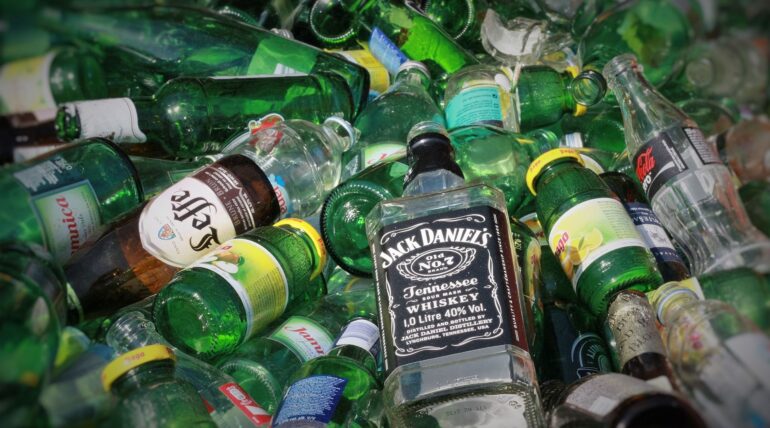
The process of disposing of alcohol and its products is one that should never be taken lightly. There are many different types of alcohol that exist, each requiring specific processes for proper disposal. It is important to know how to dispose of alcohol in order to ensure safety and compliance with regulatory agencies.
ShapiroE is here to help you navigate this complicated and often confusing process by offering expert guidance and a reliable alcohol disposal services. We provide businesses with the support and step-by-step direction needed to safely dispose of alcoholic beverages in a responsible and compliant way.
Key Takeaways
- Rubbing alcohol can’t just be thrown out; it’s classified as hazardous liquid waste and is highly flammable, meaning proper ventilation, protective gloves, and the elimination of ignition sources are critical.
- The primary concern with expired or unsellable drinking alcohol is identifying nonmerchantable products, removing them from inventory, and ensuring they are destroyed so they cannot be resold or consumed.
- Denatured alcohol is a toxic substance that can harm people and the environment if not disposed of properly; it should never be stored in open containers or poured down drains, as this creates serious fire and plumbing hazards.
- Working with experienced professionals who know how to dispose of rubbing alcohol, denatured alcohol, and alcohol bottles ensures the process is handled safely, efficiently, and in accordance with regulations.
What types of alcohol do businesses need to dispose of?
If you have alcohol products that have exceeded their sell-by date, are damaged, or cannot be sold for a number of other reasons, you may be wondering what to do with them.
Before we dive into disposal methods, let’s take a look at the three main types of non-merchantable alcohol that companies must manage.
1. Rubbing alcohol (isopropyl alcohol)
Rubbing alcohol (also known as isopropyl alcohol) is a type of strong alcohol that typically contains 70% to 90% isopropanol and is commonly found in a variety of disinfectants and cleaning products.
Rubbing alcohol remains a foundational product across hygiene, industrial maintenance, and clinical practice, which is exactly why you should know how to dispose of isopropyl alcohol.
2. Drinking alcohol (beer, wine, spirits)
The alcoholic beverages market size was valued at $2,564.92 billion in 2025 and is projected to continue growing in the coming years. It should come as no surprise, then, that this industry also faces the challenge of managing large quantities of waste, making solutions like wine disposal safe, legal and efficient options increasingly important.
When alcohol becomes spoiled, whether due to contamination, expiration, or simply too much time in storage, it becomes unfit for consumption. While some may wonder is beer good for plants or if expired alcohol has alternative uses, , exploring expired beer recycling disposal and reuse options can provide insight into responsible handling, though improper reuse is rarely a viable solution at scale. And guess who’s responsible for handling and managing non-merchantable drinking alcohol?
Beverage companies, manufacturers, and distributors, typically through beverage disposal services that handle both empty and full containers and beer kegs.
3. Denatured alcohol (treated to be non-consumable)
Denatured alcohol is a type of alcohol that has been mixed with chemicals in order to render it unfit for human consumption. It’s commonly used in the manufacturing of products such as antifreeze, paint thinners, and nail polish remover.
According to the Persistence Market Research Report, the rising demand for cleaning and disinfecting products, primarily due to global health concerns, is a crucial factor boosting demand for denatured alcohol.
As a result, businesses that use or produce denatured alcohol must also be prepared to manage and properly dispose of nonmerchantable or excess product.
How to dispose of rubbing alcohol
Rubbing alcohol can’t just be thrown out; it’s classified as hazardous liquid waste and is highly flammable, meaning it must be disposed of properly and with care.
Here’s what you should know:
Safety tips before disposing of rubbing alcohol
The fumes from rubbing alcohol are dangerous to breathe in and can cause serious damage to your lungs.
To reduce overall safety risks when handling rubbing alcohol, follow these precautions:
- Ventilation: Open windows or turn on fans before emptying any containers of rubbing alcohol.
- Gloves: Wear gloves to protect your skin from irritation.
- Eliminate ignition sources: Keep rubbing alcohol away from open flames, sparks, heat sources, or smoking areas.
Step-by-step guide to dispose of rubbing alcohol properly
If your company produces only small amounts of rubbing alcohol waste during day-to-day activities, it’s generally acceptable to dilute rubbing alcohol with water and dispose of it down the sink. However, this is only true for very small quantities, and even then, it’s not the most environmentally friendly solution.
If you produce large quantities of rubbing alcohol waste or are looking for a better alternative, follow these steps:
| Step | Action | What it means |
|---|---|---|
| Step 1 | Identify the waste | Confirm that the rubbing alcohol is expired, contaminated, or otherwise unsuitable for use and designate it for disposal. |
| Step 2 | Segregate and label | Keep rubbing alcohol waste separate from other materials and clearly label containers to indicate flammable hazardous waste. |
| Step 3 | Store safely | Store the alcohol in approved containers away from heat sources and incompatible materials until it can be removed from the site. |
| Step 4 | Use a licensed disposal service | Large quantities of rubbing alcohol should be handled by a licensed hazardous waste disposal provider equipped to manage flammable liquids. |
| Step 5 | Maintain documentation | Keep records of disposal activities to support safety audits and regulatory compliance. |
How to dispose of spoiled & expired drinking alcohol
Just like rubbing alcohol, it’s generally acceptable to dispose of small amounts of water-diluted drinking alcohol down the drain. However, for larger quantities, it poses a serious problem in polluting local waterway systems.
Keep reading to learn common disposal scenarios and a step-by-step guide on how to dispose of alcohol bottles.
When drinking alcohol needs disposal (common scenarios)
There’s a long list of potential scenarios that could lead to alcohol disposal:
- Expired or degraded product: Alcohol that has passed its expiration date or lost quality.
- Contamination: Alcohol contaminated during production, packaging, or storage.
- Damaged or leaking containers: Bottles or cans of alcohol with compromised packaging.
- Process changes: Alcohol that’s no longer needed due to changes in production processes or product lines.
- Excess inventory: Overstocked or unused alcohol, such as surplus beer from breweries.
- Failed quality checks: Alcohol that does not meet taste, safety, or quality standards.
Step-by-step guide to dispose of spoiled or expired alcohol
Unlike rubbing alcohol, spoiled or expired drinking alcohol does not usually require hazardous waste handling. Instead, the primary concern is ensuring that nonmerchantable products are permanently removed from circulation and cannot be resold or consumed, while also aligning with sustainable approaches like circular brewery ideas recycling beer waste in brewing.
For proper disposal, follow these steps:
| Step | Action | What it means |
|---|---|---|
| Step 1 | Identify alcohol as unsellable | Identify drinking alcohol as unsellable and remove it from active inventory. |
| Step 2 | Designate products for destruction | Clearly designate products for destruction to avoid mix-ups and ensure proper handling. |
| Step 3 | Store separately | Store products separately from sellable inventory to prevent accidental resale or distribution. |
| Step 4 | Use a beverage disposal service | Work with beverage disposal services to destroy alcohol contents safely and responsibly. |
| Step 5 | Recycle packaging | Manage and recycle associated packaging, including bottles, cans, and beer kegs, in alignment with sustainable beverage packaging initiatives. |
| Step 6 | Document disposal activities | Document disposal activities to support compliance and audit requirements. |
How to dispose of denatured alcohol
As you guessed, the next topic is secure denatured alcohol disposal:
Why denatured alcohol requires special handling
Denatured alcohol is a toxic substance that can harm both people and the environment if not disposed of properly. Several factors must be considered before handling this type of waste.
For example, denatured alcohol should never be stored in an open container or poured down a drain or sink, as this can create serious fire hazards and potentially damage plumbing systems.
For this reason, companies handling large quantities of denatured alcohol must ensure it’s disposed of in compliance with applicable regulations to prevent safety, environmental, and regulatory risks.
Step-by-step guide to dispose of denatured alcohol safely
Safe disposal of denatured alcohol relies on using appropriate containment and transportation methods to reduce risks during handling and removal.
Here are some tips to maintain safe handling practices:
| Step | Action | What it means |
|---|---|---|
| Step 1 | Protection | Protect your eyes and hands before handling any alcohol waste. If possible, wear long sleeves for added protection from any splashes caused by mishandling during transport or disposal procedures. |
| Step 2 | Container | Never pour denatured alcohol down the drain, sink, or toilet. Instead, pour it into a sealable, leak-proof container. If no container is immediately available, wrap the original container with heavy-duty plastic and secure it with tape as a temporary precaution against leaks. |
| Step 3 | Storage | Once transferred, store the container in a cool, well-ventilated area away from heat sources, open flames, and incompatible materials. Keep it secured until it can be taken to an approved disposal site or collected by a licensed hazardous waste service. |
| Step 4 | Documentation | Document the disposal method and volume to support safety, compliance, and audit requirements. |
For companies looking to dispose of large quantities of alcohol-based products, it’s essential to understand and comply with local laws governing alcohol waste disposal. Regulations vary by state, so knowing the specific requirements in your area is critical.
Whether you need help managing hazardous waste or you’re not sure what to do with old alcohol bottles, working with experienced professionals who specialize in alcohol disposal and beverage disposal compliance helps ensure the process is handled safely, efficiently, and in accordance with regulations.
Top 6 Business Benefits of Secure & Efficient Alcohol Disposal
Among the many benefits of choosing a secure and efficient alcohol disposal company, there are 6 major benefits that stand out:
1. Reduce environmental impact
Your business may not be directly responsible for contaminating soil or water sources, but even if it does so indirectly through its waste disposal practices, then this can still harm other people who live nearby or use those natural resources themselves. By implementing an innovative system for disposing of alcohol waste, your company can drastically reduce its environmental impact in more ways than one.
2. Improved efficiency
You’ll be able to free up time and resources by outsourcing your alcohol disposal needs to a reliable company. You won’t have to worry about handling hazardous waste or dealing with the costs of safely disposing of it.
3. Reduce waste disposal costs and increase profitability
Disposing of unmarketable alcohol in an appropriate way can help you reduce these costs by reducing the amount of waste produced by your business operations, as well as allowing you to avoid paying fees for its disposal or recycling. This can help keep your company’s overall cost of operation down and make it easier for you to compete with other businesses in the same industry.
4. Increase safety and avoid liability
Unsafe handling practices have been known to lead to accidents, injuries, and environmental damage—and even death in some cases! By choosing an established company that offers secure disposal solutions, you’ll ensure your business is protected against these risks.
5. Increase your reputation as a responsible business
By disposing of hazardous substances in an appropriate manner, you will be demonstrating to the public that you take your environmental responsibilities seriously and are committed to reducing the impact of your business operations on the environment.
6. Help with compliance
By disposing of hazardous waste materials properly, you reduce the risk of prosecution from occurring due to non-compliance with current regulations. This means that there is less chance that your company could be held responsible for any environmental incidents that result from improper disposal practices and therefore face substantial fines or even imprisonment for those responsible for any wrongdoing.
Steps involved in proper alcohol recycling
If you have large amounts of waste, you may want to hire a company that specializes in recycling and disposal services for alcohol-based products. There are several options for recycling and disposing of this waste, depending on the size of your business and how much waste you generate. However, the general workflow is as follows:
- The first step is to collect all of your waste products in one place. This could be a designated area of your store or an area outside where trucks can pick up the waste.
- Collecting the waste alcohol. This is done with a special container that is designed to keep the alcohol from mixing with other liquids.
- Transporting the waste alcohol to a recycling facility. The container used for collecting the waste should also be used for transporting it, as it can be reused for this purpose.
- Disposing of the collected waste at a recycling facility. When taking this step, you should make sure that you have all of your paperwork in order so that you can prove compliance.
- The recycling facility will then process it into new products such as fuel or fertilizer.
Contact Shapiro for professional alcohol disposal services
If you’re looking for the most cost-effective and environmentally sound alcohol and organic waste recycling solution, Shapiro is here to help.
Our team of experts can help you reduce waste and keep your liquid waste disposal process compliant with all local, state, and federal regulations.
our expert

Peter W. Klaich Director, Agriculture/Animal Health
Peter Klaich is a leading expert within the agricultural recycling and animal health market arena, known for leading National Sales at Skip Shapiro Enterprises since June 2016. He focuses on advancing sustainable recycling solutions and waste management practices across the agricultural industry.