Recycling Aluminum Beverage Cans: Process, Benefits, and Commercial Considerations 

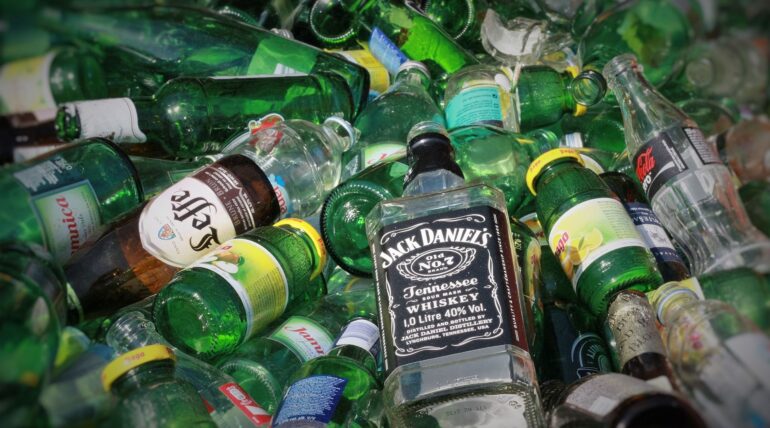
Did you know that producing recycled aluminum only takes around 5% of the energy needed to make new aluminum?  Not only does this reduce carbon emissions, but it also saves businesses money, making it a win-win for the environment as well as your bottom line. 
Chlorine Dioxide in Food Processing: How Sanitation Programs Reduce Spoilage, Rejections, and Recall Exposure

Did you know that the average cost of a single food recall in the US reaches $10 million in direct costs excluding related expenses like unrealized sales and brand damage? Even minor microbial failures can result in unsaleable inventory and costly operational disruptions. For facility managers, the challenge extends beyond compliance. It

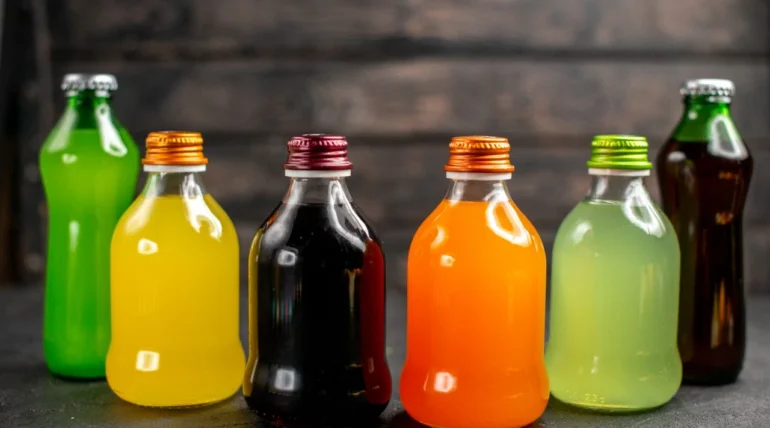
Beverage Waste Management: A Complete Guide for Beverage Companies

Beverage waste management is how beverage companies reduce, reuse, recycle, treat, and dispose of waste generated by their operations. This includes process wastewater, unsaleable beverages, packaging materials, and organic by-products.  This guide explains the main waste streams, practical management strategies, applicable

The Environmental Impact of Bottled Water: Plastic, Carbon, and Waste 

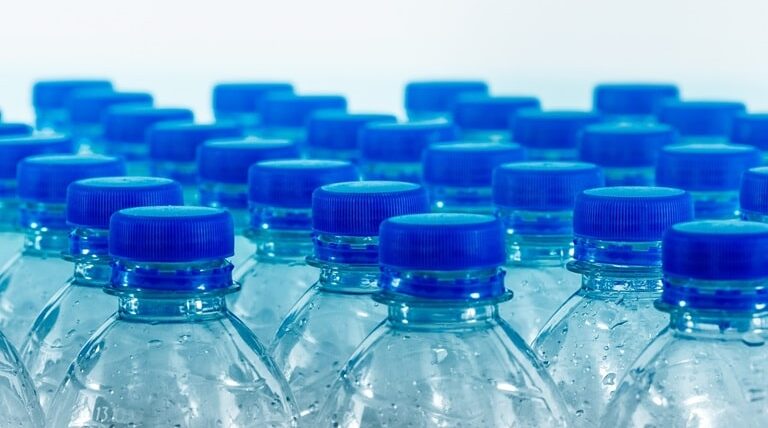
Bottled water affects the environment through plastic production, fossil-fuel use, transportation emissions, refrigeration, low recycling rates, landfill pressure, and pollution.  In 2024, Americans consumed 16.2 billion gallons of bottled water, while only 30.2% of PET bottles were collected for recycling that year. That gap helps show why bottled water remains such

Types of Beer Kegs – Which Are Best for Sustainability?

Sustainability is taking center stage in the beer brewing industry, with many recognizing its critical role in preserving our environment. Choosing the right beer keg is a significant decision that directly influences a brewery's ecological footprint. Traditional methods of beer packaging and distribution

Ultimate Beer Storage Guide: Tips & Best Practices | Shapiro

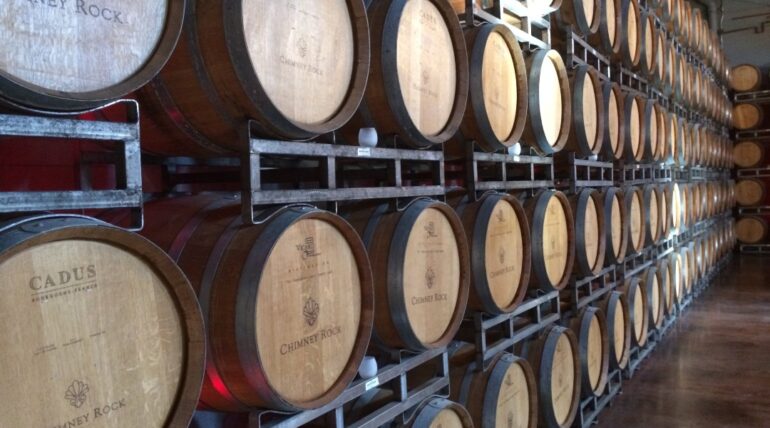
Beer quality rarely disappears overnight. It declines through heat, light, oxygen, poor handling, and inconsistent conditions.  That is why beer storage matters. For breweries, distributors, and operators managing packaged beer, draft inventory, or long-held specialty releases, storage is not just about

1 2 3