Call or Text Now
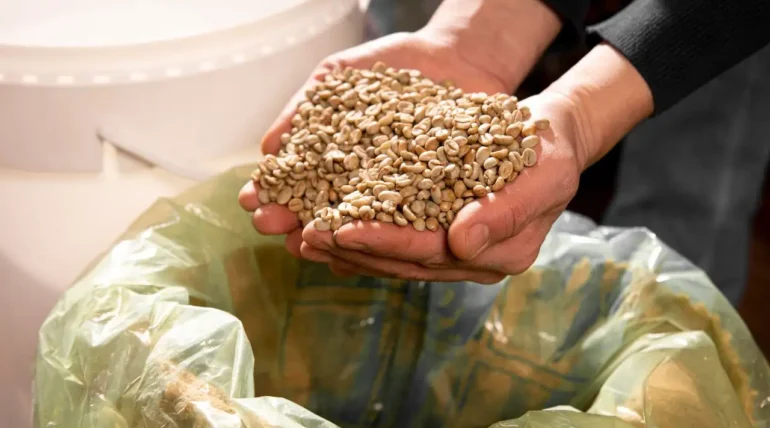
Spent grains, the leftover grain solids after brewing, represent the highest volume byproduct stream most breweries manage.
And while brewers spent grain (BSG) is a highly valuable product for alternative purposes, its 70 to 85% moisture content makes it highly perishable. Without proper storage, transport, and handling, it can quickly become a cost and compliance risk.
This means there’s no “winging it” when it comes to avoiding issues like spoilage, odor, and pests. You require a detailed, compliant system that’s implemented consistently across workers and processes.
Our guide covers everything from storage and scheduling to pathways and tips for choosing the right waste management partner, ensuring your spent grain brewery reduces risk while supporting a circular economy.
Key Takeaways
- Spent grain is valuable but highly perishable, so tight storage and pickup coordination is critical to prevent spoilage, odor, pests, and compliance risk.
- The most reliable spent grain programs are built on consistent SOPs for cooling, storage, bin hygiene, and staff handling.
- Spent grain breweries can divert BSG through pathways like animal feed, composting, marketplace sales, anaerobic digestion, or food upcycling, but each option requires the right quality control and logistics.
- Accurate volume planning, buffer capacity, and a reliable waste management partner help ensure on-time pickups, scalable operations, and strong diversion reporting.
Brewery Waste Streams: Where Spent Grains Fit
Brewery waste goes beyond spent grains. It also includes spent hops, spent yeast, wastewater, and packaged waste. However, BSG is by far the most abundant by-product of breweries, corresponding to about 85% of total by-products. Of course, this may vary depending on the brewery and brewing process.
With so much volume to manage, it’s important to note that byproduct management differs from beverage destruction.
Byproduct management specializes in collecting, handling, and processing secondary materials. And since brewing waste is a nutrient-rich byproduct, this is a great solution for reducing landfill waste.
Beverage destruction, on the other hand, focuses on the destruction of unsaleable, expired, or recalled drinks, which is important for regulatory compliance and risk reduction.
That said, breweries must choose the right solution for their needs, potentially using a combination of both to stay compliant. At Shapiro, we do both, ensuring you handle brew waste sustainably while using our beverage destruction services for unsaleable products when needed.
The 5 Operational Risks Breweries Underestimate
Spent grain programs come with several operational risks that are easy to overlook, especially when materials aren’t stored, handled, or collected properly.
The most common challenges include:
1. Missed pickup cascade
If spent grains aren’t collected at the arranged time, the impact can snowball fast. Delays can lead to spoilage, overflow, and even downtime if there’s nowhere to store additional material. This may even lead to emergency disposal, which can create unnecessary operational risk.
2. Spoilage and odor complaints
Spoilage is a major concern with BSG, not just for onsite conditions but for your reputation. Strong odors and pests can trigger complaints from neighbors, landlords, and even local authorities, creating unnecessary operational and compliance headaches.
3. Contamination that kills reuse value:
f spent grains become contaminated, their quality and safety can be compromised, making them unsuitable for reuse. That often means they must be disposed of through alternative channels, which can undercut sustainability goals.
4. Worker safety
When spent grains sit too long, they can break down and release liquid runoff. That runoff can create slippery surfaces around bins and loading areas, increasing the risk of slips, falls, and handling injuries.
5. Inconsistent partners
Your pickup partner plays a major role in whether your spent grain program runs smoothly. Some farmers or haulers may be unreliable due to weather or scheduling changes. Without a committed waste management partner, missed collections and last-minute disruptions become much more likely.
Storage & Handling SOPs That Prevent Spoilage, Odor, and Pests
Spent grain storage and handling is all about process control, not theory. With field-tested standard operating procedures in place, breweries can avoid the issues that typically derail collection before the grain ever leaves the site.
1. Temperature + Time Window
Spent grains can come out hot, sometimes even reaching up to 170°F, so they shouldn’t be moved into storage bins immediately. This is because most bins aren’t designed to handle extreme heat, and loading grains too soon can lead to cracking and leaks.
Letting grains cool first helps prevent runoff issues and reduces the risk of spoilage. This is especially important in cold weather, where sudden temperature changes can worsen container damage.
2. Container Selection
The right spent grain container depends on your brewery’s volume, pickup frequency, and available space. In general, totes work best for smaller batches, while dumpsters fit mid-sized operations that need higher capacity without major equipment changes.
For high-output breweries, silo and auger systems offer the most efficient option by supporting consistent storage between pickups.
For multi-site programs, we recommend standardizing container sizes, placement, labeling, and pickup procedures to keep handling consistent and prevent missed collections or contamination across locations.
3. Bin Hygiene
Beyond choosing the right bin size and scheduling regular pickups, breweries also need a hygiene routine to keep spent grain storage sanitary.
This includes removing leftover grain residue where insects, mold, and bacteria can build up, and performing periodic deep cleans to prevent buildup over time. Some teams use high-pressure washing or hot water steam cleaning to sanitize bins effectively without relying on harsh chemicals.
Keeping bins clean also helps reduce odor, runoff mess, and pest activity around storage areas.
4. Staff Process
One thing you should never take shortcuts with is team training. Why?
Because even with the right bin and pickup schedule, missed steps can lead to contamination and compliance risks.
In addition to hands-on training, breweries should use clear labeling and routine contamination checks to keep handling consistent. Standardizing these procedures ensures everyone follows the same process and helps prevent avoidable errors, especially across multi-site programs.
Your Pathway Decision Framework (Reuse First, Disposal Last)
1. Animal Feed Pathway
Spent grains are naturally high in fiber and protein, meaning they can be a great feed additive on farms. Using brewers grain for cattle helps offset high animal feed costs and helps breweries manage their grains, making this collaboration beneficial for both parties.
That said, while spent grains for chickens offer an array of benefits, they require reliable farm pickup and a clean grain stream, with factors like contamination and storage conditions being tightly controlled.
2. Composting
Composting for businesses is a great option for anyone wanting to promote sustainability and reduce the amount of waste that goes into landfills. And since BSG has a high nitrogen content, it makes for a great “green” material for composting.
However, while spent grain compost is beneficial, the high moisture content puts it at risk of leachate and odor issues, making proper storage and reliable transportation critical. This is where a waste management partner comes into the picture, as companies that specialize in composting spent grain can help you manage the entire process and ensure compliance.
3. Sale/Marketplace
And of course, you can always sell your spent grains. Putting brewers grain for sale or even donating it is a great way to keep products in circulation, minimize the amount of waste you send to landfills, and demonstrate your commitment to sustainability.
For breweries that need a longer shelf life and easier transport, dried brewers grain can be a smart option since it reduces moisture and slows spoilage. It can also open up additional resale opportunities beyond local pickup.
4. Anaerobic Digestion/Biogas
Anaerobic digestion (AD) creates biogas, a renewable natural gas, and digestate, a nutrient-rich material that can be used as fertilizer. This makes it a strong option for breweries looking to divert spent grain from landfills while recovering energy and supporting more sustainable operations.
As stated in a study, “The implementation of dry AD could supply 7.38% of the electricity and 6.86% of the heat required for beer production.”
5. Upcycling into Food Ingredients
Due to their nutritional values, spent grains are used as a raw material in the production of many food products, including bakery products, pasta, cookies, muffins, wafers, snacks, yogurt or plant-based yogurt alternatives, Frankfurter sausages, and fruit beverages.
Since these products are intended for consumption, upcycling spent grain into food ingredients requires extra care to maintain a clean grain stream and ensure proper handling and storage.
6. Landfill / Last Resort
According to the food waste recovery hierarchy, sending waste to landfills is the least preferred disposal method.
The goal will always be to increase landfill diversion, as sending waste to landfills can result in higher costs, increased greenhouse gas emissions, and greater regulatory risk.
Pickup Scheduling: How to Engineer Reliability (Not Hope for It)
As we’ve hinted above, having a reliable pickup schedule is one of the most critical factors for spent grain breweries.
So what’s the first step to accomplishing this?
Start by understanding how much spent grain your brewery generates. This number is typically tied to the weight of the raw malt used, and since production can vary, it’s important to estimate weekly volume while also accounting for peak days.
This includes seasonal changes. For instance, do you brew more in the summer or during holiday releases? Do you see volume spikes around festivals or promotions?
Next, build buffer capacity into your plan. Pickups can be delayed, and because BSG is high-moisture and spoils quickly, one missed haul can create overflow, odor, and compliance issues. Having extra storage capacity and a clear backup plan helps your brewery safely hold spent grain if a scheduled pickup is delayed or missed.
Finally, partnering with a reliable waste management company is one of the most effective ways to keep transportation on time and reduce operational risk.
That brings us to our next point: choosing the right partner.
Partner & Vendor Selection: The Scorecard Breweries Should Use
Choosing a waste management partner can lead to one of two outcomes: an efficient partner that’s on time and supports you end to end, or a partner that delays pickups and causes operational issues. Which one do you want?
The choice is clear, but that also means you need to know how to choose the right partner. Here’s a checklist to help you narrow down your options:
- Can they support multi-site operations?
- Do they create tailored waste management strategies?
- Do they have backup options to ensure spent grains are always picked up on time?
- Do they work with you to ensure compliance?
- Can they offer near-site or pop-up options when freight costs are high?
- Do they provide reporting suitable for ESG and diversion metrics?
- How do they handle emergencies and recalls?
Where Beverage Destruction/Disposal Fits
To successfully recycle beer waste, it’s important to remember that brewery waste also includes packaged products, returns, and off-spec liquid. And since different streams require different handling and documentation, companies must have a process in place that keeps every disposal pathway organized, compliant, and easy to track.
With beverage destruction, the goal is to safely remove products from circulation while ensuring they’re disposed of or diverted in a compliant, traceable way.
This often includes secure destruction of cans or bottles, proper separation of liquid and packaging, and clear documentation for audits, recalls, and inventory reconciliation.
How Shapiro Supports Brewery Byproduct Programs
At Shapiro, the goal of our services is to help breweries manage byproducts in a way that’s sustainable, compliant, and easy (meaning fewer headaches).
With a national network of processing facilities, we streamline logistics and routing optimization while helping you choose the right diversion pathway, such as animal feed, composting, or anaerobic digestion.
We also support diversion reporting so you’re prepared for audits, provide emergency overflow response when pickups are delayed, and offer a scalable, multi-site approach that grows with your operation.
Due to our commitment to sustainability, we’re trusted by companies across the United States and are ready to help your company do the same. Contact us today to learn more about our services.
Build a Program That Never Breaks on a Busy Brew Week
Whether you own or work for a spent grain brewery, lead sustainability initiatives, or partner with breweries for spent grain recovery, it’s important to know how to prevent risks like pests, odors, and spoilage.
With Shapiro, you can divert waste from landfills, control costs, and ensure your program is built for reliability, not improvisation.
If you’re ready to discuss how we can support your company with waste management, contact us today.
FAQs about Spent Grain
Wet grains spoil quickly, with timing influenced by storage conditions and temperature. For a more detailed look at best practices and pickup scheduling, contact us to discuss your operation.
The best pickup frequency depends on how much spent grain you generate, your storage capacity, and weather conditions, with some high-volume operations requiring daily pickups.
Common contaminants that can make spent grain unusable for feed or compost include plastics, glass, and metal, among others.
Yes, but only with the right setup. Outdoor storage requires covered, sealed containers and timely pickup to prevent spoilage, pests, odors, and leachate issues.
If farmers stop picking up spent grains, the best alternatives include composting, anaerobic digestion, or selling and donating through a marketplace. A reliable waste management partner can also help route BSG to the right diversion pathway and provide emergency overflow services to prevent spoilage, odors, and operational disruptions.
It depends on your goals and local access. Anaerobic digestion is often better for maximizing energy recovery through biogas, while composting is a strong option for nutrient recycling, but both require reliable handling and transportation to manage BSG’s high moisture and rapid spoilage.
Multi-site breweries standardize spent grain handling by using consistent storage equipment, clear SOPs for contamination control, and centralized pickup scheduling across locations. Working with a single waste management partner also helps streamline logistics, reporting, and compliance across every site.
Brewery waste typically requires beverage destruction when it involves packaged products, returns, or off-spec beer that must be removed from circulation for safety, compliance, or brand protection.
our expert

Peter W. Klaich Director, Agriculture/Animal Health
Peter Klaich is a leading expert within the agricultural recycling and animal health market arena, known for leading National Sales at Skip Shapiro Enterprises since June 2016. He focuses on advancing sustainable recycling solutions and waste management practices across the agricultural industry.