Call or Text Now
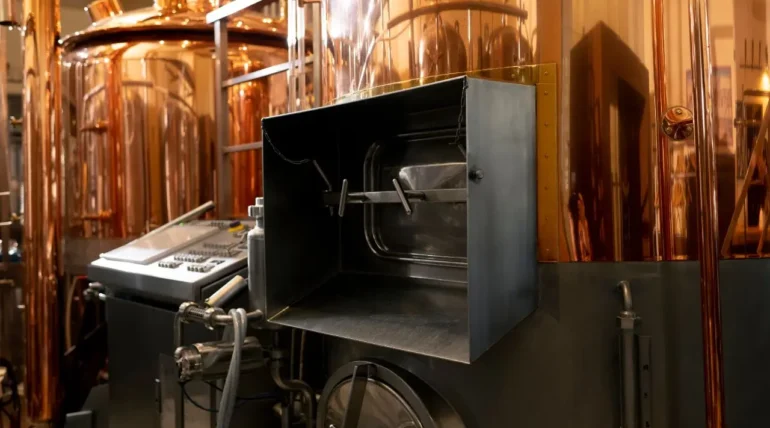
Distillery industries are the second-most wastewater-generating agro-processing industries, producing about 12–15 liters of wastewater per liter of ethanol produced.
And this waste isn’t “just organic waste.” It’s high-moisture, high-volume, and operationally disruptive if not managed correctly.
From odors and spoilage risk to high regulatory pressures, distillery waste management is logistically complex, requiring well-trained staff, reliable transportation, and a waste management plan that fits business needs.
Whether you’re a distillery operations director, plant manager, or part of the procurement team responsible for selecting waste partners, this guide provides a structured framework and helps you see the potential of different reuse pathways.
Key Takeaways
- Distillery waste is high-volume, high-moisture, and logistically complex, requiring careful storage, transportation, and planning.
- Facilities must manage multiple waste streams, including stillage, spent grains, yeast residue, and wastewater, each with different handling needs.
- Reuse pathways such as animal feed, composting, anaerobic digestion, and land application can recover value from distillery waste.
- Effective programs rely on reliable logistics, regulatory compliance, and scalable distillery waste management strategies.
Understanding Distillery Waste Streams
While alcohol production waste is an umbrella term, there are different streams distilleries must manage:
- Stillage: Stillage, also referred to as distillery wastewater, is a dark-brown high-strength wastewater whose organic content may be 100 times higher than the ones found in domestic sewage.
- Spent grains: Distiller’s spent grain is the solid residue remaining after the fermentation and distillation of grains and is primarily composed of kernel husk, pericarp, and seed coat, making it a rich source of carbohydrates, proteins, lignin, phenolic compounds, lipids, and minerals.
- Yeast residue: Distillery yeast sludge is a nutrient-rich fermentation byproduct consisting of spent yeast cells and organic solids that accumulates at the bottom of fermentation tanks or in wastewater treatment sludge in the alcohol industry.
- Wastewater: Distillery wastewater is the liquid effluent produced during alcohol manufacturing. While stillage is part of this wastewater stream, it also includes other liquid waste streams generated throughout the facility, such as equipment cleaning water and cooling water from plant operations.
- Off-spec packaged alcohol: Surplus, expired, or off-spec liquor, wine, or other alcoholic beverages are an often overlooked type of distillery waste. When products cannot be put on the market, they require depackaging systems and proper disposal or recovery processes.
Why Distillery Waste Is Operationally Challenging
You already know that distillery waste disposal is complex. But let’s take a quick look at the different factors that add to the complexity:
- High moisture: One of the characteristics of distillery wastewater and other waste products is their high moisture content. This means that they can spoil quickly, requiring careful storage and rapid transportation.
- Temperature issues: Distillery wastewater is often discharged at high temperatures directly from the distillation process. This hot discharge can accelerate microbial activity, intensify odors, and create challenges for storage, handling, and transportation if the waste is not cooled or processed quickly.
- Storage infrastructure limitations: Distilleries generate huge quantities of waste, meaning they must have proper storage in place to handle large volumes. Storage must also be designed to handle high moisture levels and elevated temperatures, yet not all distilleries have the infrastructure needed to manage these conditions.
- Seasonal production spikes: Increases in production can overwhelm distillery spent wash treatment systems. Companies must be prepared to handle spikes in production, from storage to transportation and disposal.
- Environmental & odor concerns: Without proper handling and treatment, distillery waste can pose a high risk of odor generation and environmental pollution. This makes effective waste management and treatment essential for maintaining regulatory compliance and minimizing environmental impact.
Storage & Handling SOPs for Distillery Byproducts
This may come as a surprise to many, but most issues in distillery spent wash treatment arise during storage rather than during the final reuse stage. With that in mind, here are some key considerations:
1. Temperature & Time Windows
Distillery byproducts are often discharged at elevated temperatures directly from the distillation process, so facilities must account for cooling considerations before storage or transport.
Because materials such as stillage, spent grains, and yeast residues contain high moisture and organic content, they degrade quickly, creating a short spoilage timeline if not moved or treated promptly.
These challenges become even more concerning during warmer months, when higher temperatures accelerate microbial activity and odor generation, requiring faster handling and transportation schedules.
2. Tank, Tote & Container Selection
Selecting the right containers is no small task, as it ensures safe storage and supports efficient transportation.
Facilities may use open or sealed systems depending on the material and odor control requirements. Liquid waste streams such as stillage are typically pumped and stored in tanks or totes, while thicker materials like spent grains may require containers designed for bulk solids.
For distilleries operating across multiple locations, standardizing container types and handling procedures can help improve efficiency and ensure consistent distillery waste management practices.
3. Contamination Prevention
Contamination is a key concern when handling distillery waste products, especially when byproducts are intended for reuse or recovery.
Residues from cleaning chemicals, plastic or label debris, and cross-contact with packaging waste can compromise waste streams and limit recycling or reuse opportunities. Proper separation, handling procedures, and container management are important to keep distillery byproducts uncontaminated.
4. Bin & Tank Hygiene
From having a detailed rinse schedule to controlling pests and managing leachate, keeping waste bins hygienic is another big concern in this industry.
Regular cleaning, proper drainage, and sealed storage systems can help reduce odor, prevent contamination, and limit pest activity. Establishing routine inspection and sanitation protocols also helps ensure bins and tanks remain safe for ongoing use.
Distillery Waste Disposal & Reuse Pathways
There are several distillery wastewater treatment processes available, meaning each company must evaluate its options and choose a solution that supports sustainability goals while improving operational efficiency.
| Management Option | Main Benefit | Key Consideration |
|---|---|---|
| Animal Feed | Converts byproducts into protein-rich livestock feed | Requires safe storage and consistent quality control |
| Composting | Produces nutrient-rich soil amendments | Needs proper aeration, moisture, and carbon balance |
| Anaerobic Digestion | Generates renewable biogas and digestate | Requires specialized infrastructure |
| Land Application | Recycles nutrients to soil and crops | Must follow permitting and soil compatibility guidelines |
| Landfill | Final disposal option | High cost and low sustainability value |
1. Animal Feed Applications
Distillers dried grains contain proteins, fats, fiber, vitamins, and amino acids, making them a widely used ingredient in animal feed.
Other distillery byproducts also vary in their nutritional composition, which determines the animals they are best suited for. For instance, liquid pot ale syrup can be used for cattle and pigs, while moist grain feeds are typically used for cattle.
However, distillery waste used for animal feed must be carefully stored and handled with consistent quality standards to ensure feed safety, a principle that applies across the broader beverage industry, including circular brewery operations.
2. Composting
Composting distillery spent wash is an effective and sustainable waste management solution for recovering valuable nutrient resources and producing a stable, nutrient-rich organic soil amendment.
Proper process management helps control odors by maintaining adequate aeration, moisture levels, and microbial activity throughout decomposition. At the same time, mixing spent wash with high-carbon materials creates the balanced carbon-to-nitrogen ratio needed for efficient breakdown and the production of stable, high-quality compost.
3. Anaerobic Digestion
Anaerobic digestion processes organic material in the absence of oxygen, producing two outputs: biogas, a renewable energy source, and digestate, a nutrient-rich material that can be used as fertilizer. While commonly associated with anaerobic digestion of food waste, this process is equally effective for high-organic distillery byproducts like stillage and spent wash.
This approach helps facilities reduce the organic load of distillery wastewater while recovering energy that can be used for heat, electricity, or other operational needs. By converting waste into usable resources, anaerobic digestion supports more sustainable distillery operations and helps lower overall waste management and energy costs.
4. Land Application
Land application involves applying treated distillery wastewater to agricultural land where nutrients can be absorbed by crops and soil.
According to MDPI, “The residual components in treated distillery wastewater are considered nutrient resources for plants and soil, but excessive application can lead to nitrate leaching and groundwater contamination.”
Because of this, land application typically follows agricultural permitting guidelines and requires evaluating soil compatibility to ensure nutrients are applied safely and effectively.
5. Landfill (Last Resort)
Landfilling distillery waste is typically considered a last resort when other treatment or recovery options are not feasible. This approach often comes with high disposal costs and presents a sustainability tradeoff, as valuable organic resources are lost rather than recovered.
Pickup Scheduling: Engineering Reliability
Efficient distillery waste management relies on transportation. However, it’s not as simple as just scheduling it; facilities must consider multiple factors to create a plan that aligns pickup frequency with waste generation and operational needs.
- Calculate waste volume: The volume of distillery waste can be estimated by tracking all waste streams generated during production, including liquid effluents, solid byproducts, and residual materials. Facilities typically calculate this by measuring each waste stream directly or by conducting a material balance that compares total inputs with product outputs and recovered byproducts. Understanding total waste volume helps determine how often pickups are required and how much storage capacity is needed between collections.
- Peak production mapping: Facilities should also evaluate waste generation during peak production periods. This typically occurs during certain seasons, holidays, or promotions. Calculating these increases and preparing for them helps prevent transportation and treatment bottlenecks, which can otherwise cause delays in production.
- Planning for missed pickups: Facilities should prepare for scenarios where scheduled pickups are delayed or missed. This may include temporary storage capacity and backup pickup arrangements. However, working with a reliable waste management partner that consistently meets pickup schedules should remain part of the initial strategy.
- Buffer capacity planning: Facilities should maintain a defined buffer capacity in storage to absorb delays between scheduled pickups. This means calculating the maximum waste volume that can accumulate during a typical pickup interval and ensuring storage infrastructure can handle that load plus a safety margin for unexpected production increases or transportation delays.
- Emergency overflow planning: Even well-managed programs encounter disruptions. Equipment failures, weather events, or farm cancellations can leave waste with nowhere to go. Facilities should document a contingency plan that identifies backup processors, overflow storage options, and escalation contacts before a disruption occurs, not during one.
Distillery Wastewater Considerations
There are many considerations when managing distillery waste. In addition to proper storage and reliable transportation, here are three additional factors that can influence a company’s waste management strategy.
- Organics recycling vs. distillery water treatment: The difference between organics recycling and wastewater treatment is an important consideration for distillery waste management because distillery waste often includes both solid byproducts and liquid effluents. Organics recycling focuses on recovering value from organic materials, while distillery wastewater treatment removes contaminants from liquid waste before discharge or reuse. Understanding this distinction helps distilleries choose the most effective and compliant management strategy.
- Pre-treatment coordination: Some distillery waste streams may require pre-treatment before transport, recycling, or discharge. This can include steps such as screening solids, balancing pH, or reducing organic load to ensure the waste can be safely handled and processed by downstream systems.
- Municipal discharge considerations: Distilleries that discharge wastewater to municipal treatment systems must comply with local limits for parameters such as organic load, solids, and pH. Understanding these requirements helps facilities avoid compliance issues and ensures municipal infrastructure is not overloaded.
Vendor & Partner Selection Scorecard
There are many areas where a waste management strategy can fall short. For this reason, working with an experienced waste management partner can help facilities stay compliant, avoid operational bottlenecks, and support sustainability goals.
To evaluate potential partners, ask the following questions:
- Do you offer multi-site support that complies with regulations across different states and cities?
- Do you assist with diversion reporting and documentation?
- Do you provide emergency response or recall support, and how does that process work?
- Do you have experience working with beverage manufacturers and addressing industry-specific challenges?
- Do you offer on-site or near-site pop-up solutions when capacity is limited?
- Do you maintain backup processors or contingency partners?
- Do you support freight optimization to reduce transportation costs and emissions?
Where Beverage Destruction Fits
Important note: Distillery waste is not the same as off-spec or returned packaged alcohol.
While production byproducts can often be recycled or treated, packaged alcoholic products that are expired, contaminated, or recalled require beverage destruction. This process ensures products are permanently removed from the market while supporting regulatory compliance and protecting brand integrity.
How Shapiro Supports Distillery Waste Programs
Shapiro works with distilleries to coordinate waste programs across multiple locations, helping ensure materials are transported, processed, and documented properly. Through a national network of partners, facilities can access different recycling, treatment, and recovery pathways while maintaining consistent logistics and reporting.
This support also includes documentation, pathway optimization, and contingency options when waste volumes temporarily exceed planned capacity. To learn more, explore our compliant beverage destruction services or contact us today.
Build a Distillery Waste Program That Doesn’t Break Under Pressure
An effective distillery waste program balances reliability, compliance, cost control, and sustainability while supporting scalable operations as production grows.
By planning waste pathways, coordinating transportation, and maintaining proper documentation, facilities can reduce operational risk and keep waste management aligned with long-term business goals.
FAQs about Distillery Waste Management
Distillery waste, especially wet byproducts like spent mash, can begin to spoil within 24–72 hours if not properly stored. Refrigeration, drying, or timely removal helps prevent odor, microbial growth, and quality degradation.
The best method depends on facility logistics, but animal feed, composting, and anaerobic digestion are among the most common and sustainable options for recovering value from spent mash.
Yes, many distillery byproducts, such as distillers dried grains, are widely used as animal feed because they contain proteins, fiber, fats, vitamins, and amino acids.
Pickup frequency depends on waste volume, storage capacity, and spoilage risk, but many facilities schedule pickups multiple times per week or daily during peak production.
Compliance risks include improper wastewater discharge, inadequate storage, odor issues, and improper disposal of regulated materials, which can lead to environmental violations or fines.
Neither is universally better; anaerobic digestion generates renewable energy and digestate, while composting produces soil amendments, so the best option depends on facility goals, infrastructure, and waste composition.
Multi-site distilleries often standardize waste programs through centralized logistics coordination, consistent reporting, and partnerships with national waste management networks.
Alcohol requires verified beverage destruction when packaged products are off-spec, expired, contaminated, recalled, or otherwise unsuitable for sale and must be securely removed from the market.
our expert

Peter W. Klaich Director, Agriculture/Animal Health
Peter Klaich is a leading expert within the agricultural recycling and animal health market arena, known for leading National Sales at Skip Shapiro Enterprises since June 2016. He focuses on advancing sustainable recycling solutions and waste management practices across the agricultural industry.