Call or Text Now
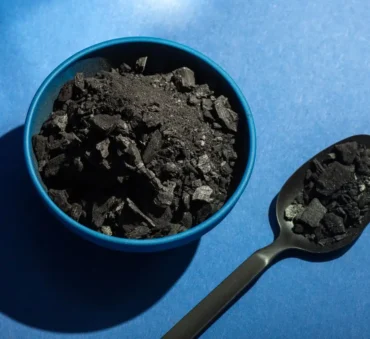
Biochar is a powerful strategy for reducing waste, supporting a circular economy, and addressing climate change concerns. Beyond carbon credits, biochar delivers significant environmental benefits that make it a valuable sustainability investment.
However, as companies develop a strategy to receive biochar carbon credits, they must consider whether their waste qualifies.
Yep, you heard that right: not all waste is eligible for biochar production, and understanding what’s accepted (and what’s not) is key to achieving greater sustainability.
Keep reading to learn what can be used as biochar feedstock, which waste materials are not suitable, and why feedstock matters for biochar carbon credits.
Key Takeaways
- Beverage disposal goes far beyond standard waste collection, requiring verified destruction, strict chain-of-custody controls, and audit-ready documentation to remain compliant.
- Beverage disposal requirements vary based on product type, disposal method, and regulatory oversight, making specialized handling essential for compliant destruction.
- Improper beverage disposal can lead to regulatory penalties, environmental violations, failed audits, and reputational damage if destruction cannot be verified.
- Working with a specialized beverage destruction partner helps ensure compliance, protect your brand, and safely remove products from the supply chain.
What Is Biochar Feedstock? (And Why It Matters for Carbon Credits)
Biochar feedstock is any organic material that’s used to produce biochar through pyrolysis. By diverting waste materials such as agricultural residues, food waste, and industrial by-products from landfills, biochar feedstock fuels sustainable carbon removal and support circular economy practices.
Biochar Feedstock vs. General Biomass
If your company produces biomass, does that automatically mean it can be used as a biochar feedstock?
Not exactly.
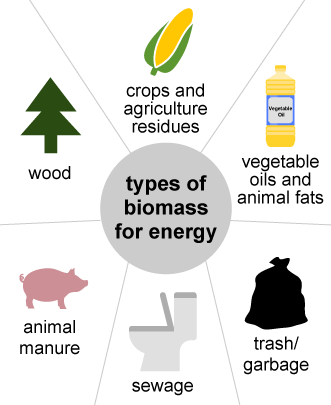
Biomass is a renewable organic material that comes from plants or animals and can be burned for heat or converted into liquid and gaseous fuels through various processes. Biochar feedstock, however, is a specific type of biomass that meets the requirements for conversion into biochar, including suitability for pyrolysis and eligibility for carbon credit verification.
So while some biomass can be pyrolyzed, that alone does not mean it qualifies for biochar carbon credits.
What Can Be Used for Biochar?
| Feedstock Category | Examples | Why It Works for Biochar |
|---|---|---|
| Agricultural and Forestry Residues | Crop residues, animal manure, corn stover, sugarcane bagasse, forestry residues, wood chips | These waste streams are widely available and commonly used as reliable biomass feedstocks for biochar production. |
| Food and Organic Waste | Restaurant food waste, supermarket organics, farm organic waste, manufacturer food waste | Converts widespread organic waste into biochar, reducing environmental impact and supporting circular waste practices. Requires careful handling to reduce contamination. |
| Industrial Organic By-Products | Husks, seeds, fruit pulp, agro-industrial processing waste | Reusable organic by-products can be converted into biochar, but suitability depends on origin and whether contaminants (chemicals/heavy metals) are present. |
Now that we know not all biomass qualifies as biochar feedstock, let’s look at which materials can be used:
1. Agricultural and Forestry Residues
Agricultural waste refers to the leftover and/or discarded by-products of various agricultural operations. Waste such as crop residues, animal manure, corn stover, sugarcane bagasse, forestry residues, and wood chips are all great feedstocks for biochar production.
2. Food and Organic Waste
Food waste is another valuable feedstock for biochar production. With food waste being a widespread challenge across restaurants, manufacturers, farms, and supermarkets, converting organic waste into biochar offers an effective way to reduce its environmental impact while supporting circular waste management practices.
As stated by ScienceDirect, “The thermochemical conversion of substantial plant-based food waste into biochar represents a promising strategy for advancing sustainable development within the agri-food supply chain.”
Because food and organic waste originate from a wide range of sources and processes, they must be handled carefully to minimize contamination risks. Companies like Shapiro help manage, sort, and process organic waste streams to ensure they are suitable for biochar production.
3. Industrial Organic By-Products
Industrial organic by-products, such as agro-industrial waste from the processing of agricultural products, include materials like husks, seeds, fruit pulp, and related by-products that can be reused for biochar production.
However, not all industrial organic waste is suitable. Understanding the material’s origin and processing history is essential to ensure it’s free from chemical additives, heavy metals, or other contaminants that could compromise biochar quality.
For a detailed breakdown of how different feedstocks affect biochar properties, see our guide on biochar production feedstock.
When Waste Is Not Suitable for Biochar
| Unsuitable Waste Type | Examples | Why It’s Not Suitable |
|---|---|---|
| Contamination and Mixed Waste Streams | Unsorted waste, sewage sludge, mixed waste streams containing plastics, treated materials, and chemical residues | These materials may contain heavy metals or pollutants that can survive pyrolysis, increasing the risk of soil contamination and reducing biochar safety and quality. |
| Fossil-Derived or Ambiguous Inputs | Plastics, synthetic textiles, chemically treated products | These inputs are non-biogenic and can release pollutants during pyrolysis. They may also weaken carbon accounting credibility because the resulting carbon is not part of the natural carbon cycle. |
| Poor Segregation and Handling | Suitable waste mixed with unsuitable biomass, contaminated during storage, or kept under poor conditions | Even high-quality feedstock can become unusable if mishandled. Proper segregation, storage, and handling are essential to keep materials viable for biochar production. |
To truly optimize biochar carbon credits, it’s also important to understand which waste materials are not suitable. This includes:
1. Contamination and Mixed Waste Streams
Biochar prepared from unsorted waste and sewage sludges may contain higher concentrations of heavy metals and could lead to soil contamination.
Mixed waste streams may also include plastics, treated materials, and chemical residues that do not fully break down during pyrolysis and can compromise biochar quality and safety.
According to Spring Nature, “The differences in risk to organisms of different types of biochar mainly depend on factors such as the degree of contamination of its raw materials, pyrolysis temperature and biochar particle size. Raw materials with a high content of heavy metals or organic pollutants to produce biochar may increase the risk of endogenous pollutants to organisms.”
2. Fossil-Derived or Ambiguous Inputs
Waste streams that contain fossil-derived materials, such as plastics, synthetic textiles, or chemically treated products, are generally unsuitable for biochar production.
Because these inputs are non-biogenic, they can introduce pollutants during pyrolysis and undermine carbon accounting claims, as the resulting carbon is not part of the natural carbon cycle. Without clear knowledge of a material’s origin and composition, these ambiguous inputs can compromise both the environmental safety and climate benefits of biochar.
3. Poor Segregation and Handling
Unfortunately, otherwise suitable waste that is mishandled, mixed with unsuitable waste biomass, or stored under poor conditions may no longer be viable for biochar production.
For this reason, responsible waste disposal starts with working with a provider that ensures waste is properly segregated, stored, and handled to support biochar production and downstream environmental uses.
Why Feedstock Matters for Biochar Carbon Credits
To achieve optimal sustainability outcomes and maximize biochar carbon credits, choosing the right feedstock and following best practices is essential.
1. Waste vs. Purpose-Grown Materials
As discussed, biochar feedstock can be sourced from a range of materials, including food waste, agricultural residues, and industrial organic by-products. In addition to waste-based feedstocks, there are also purpose-grown feedstocks, which refer to plants cultivated specifically for use in biochar production.
While purpose-grown energy crops such as switchgrass, miscanthus, and corn can offer benefits like high biomass yields and carbon sequestration potential, waste materials are typically preferred for biochar carbon credit projects. Why?
Because waste-derived feedstocks provide additional environmental benefits, such as landfill diversion, reduced risk of land-use competition, and more.
2. Credibility and Environmental Integrity
Feedstock quality plays a direct role in the credibility of biochar carbon claims. If the origin, composition, or handling of biomass is unclear, it becomes difficult to verify that real and lasting carbon removal has occurred.
Every detail matters. For example, feedstock should not introduce new environmental harms, such as shifting emissions elsewhere through poor sourcing or transport practices. Because feedstock quality directly influences both carbon stability and removal potential, weak feedstock integrity can undermine audits and ultimately invalidate carbon claims.
Documentation and Traceability: The Missing Piece
Proper waste documentation and traceability help separate qualified feedstock from unqualified. This is accomplished through verified waste origin and a documented chain of custody:
1. Proving Waste Origin
Simply labeling a material as “waste” is not enough to support credible biochar from biomass and waste carbon claims. Factors such as the type of waste, whether it is a by-product of an existing process or derived from purpose-grown materials, and how it was handled all influence its suitability for biochar.
Knowing a feedstock’s origin also helps identify potential contaminants and environmental risks, which directly affect both carbon removal performance and the credibility of associated claims.
2. Chain of Custody and Handling Records
Traceability is essential to ensure carbon sequestration benefits can be accurately measured, verified, and defended. Maintaining a clear chain of custody and handling records, from raw waste biomass through processing and final use, supports accurate carbon accounting, protects downstream environmental claims, and reduces audit and compliance risk.
At Shapiro, we provide end-to-end biochar solutions supported by detailed waste documentation, helping ensure feedstock integrity and traceability throughout the process.
Final Considerations Before Calling Waste “Biochar-Ready”
Is your waste “biochar-ready”?
Here’s a quick checklist to guide your decision:
| Checklist Item | What to Confirm |
|---|---|
| Biogenic Material | Is the material clearly biogenic? |
| Contamination Control | Is contamination controlled? |
| Documentation & Traceability | Is the waste stream documented and traceable? |
| Audit-Ready Claims | Would your biochar-related claims withstand external scrutiny, verification, or audits? |
| Consistent Feedstock Quality | Is the feedstock composition consistent over time? |
| Volume & Supply Stability | Are volumes and supply continuity realistic and reliable? |
| Downstream Use Alignment | Is the downstream use aligned with your intended claims? |
Conclusion
In addition to environmental benefits, biochar carbon credits boost a company’s reputation, helping it stand out in an increasingly sustainability-driven market.
That said, biochar potential begins with feedstock integrity. Treating waste as “biochar-ready” without proper qualification introduces both environmental and reputational risk.
At Shapiro, we manage organic waste streams from identification through transport and processing, ensuring they meet strict quality standards for biochar-ready feedstock. As a leader in organic waste recycling, we help clients ensure feedstock integrity from the start, supporting credible biochar outcomes and defensible sustainability claims through our biochar solutions.
Contact us today to learn more about our services.
FAQs about Biochar Carbon Credits
Agricultural and forestry residues, food and organic waste, and industrial organic by-products can all be used as biochar feedstock.
Yes. When properly managed, converting food waste into biochar can reduce its environmental impact while supporting circular waste management practices.
Waste may be disqualified from biochar production due to contamination and mixed waste streams, fossil-derived or ambiguous inputs, and poor segregation and handling that compromise feedstock integrity and traceability.
No, eligibility for biochar carbon credits depends on feedstock integrity, documentation, and compliance with applicable carbon credit standards.
Biochar traceability verifies feedstock origin, ensures contamination control, supports regulatory and carbon credit compliance, and protects projects from environmental and reputational risk.
our expert

Peter W. Klaich Director, Agriculture/Animal Health
Peter Klaich is a leading expert within the agricultural recycling and animal health market arena, known for leading National Sales at Skip Shapiro Enterprises since June 2016. He focuses on advancing sustainable recycling solutions and waste management practices across the agricultural industry.