Call or Text Now
Compliance and sustainable beverage disposal are essential in the beverage industry. That said, managing them isn’t easy, as the process goes well beyond standard waste collection.
From requiring verified destruction with documentation to selecting the right disposal method and meeting regulatory standards, beverage disposal must be managed with strict oversight.
But rather than just telling you that this process is complex, this article explains the full scope of beverage destruction, covering service types, the disposal process, and key regulatory considerations.
Key Takeaways
- Beverage disposal goes far beyond standard waste collection, requiring verified destruction, strict chain-of-custody controls, and audit-ready documentation to remain compliant.
- Beverage disposal requirements vary based on product type, disposal method, and regulatory oversight, making specialized handling essential for compliant destruction.
- Improper beverage disposal can lead to regulatory penalties, environmental violations, failed audits, and reputational damage if destruction cannot be verified.
- Working with a specialized beverage destruction partner helps ensure compliance, protect your brand, and safely remove products from the supply chain.
What Makes Beverage Recall Disposal Different
While standard commercial waste has its own set of requirements, recalled beverage disposal requires an additional layer of specialized disposal. Here’s why:
- Liquid volumes and spoilage concerns: Large liquid volumes increase handling complexity, while recalled or spoiled beverages can create sanitation, odor, and contamination risks if not managed quickly.
- Alcohol content triggering TTB oversight: Alcoholic beverages are subject to Tobacco Tax and Trade Bureau (TTB) regulations, requiring approved destruction methods and verifiable records.
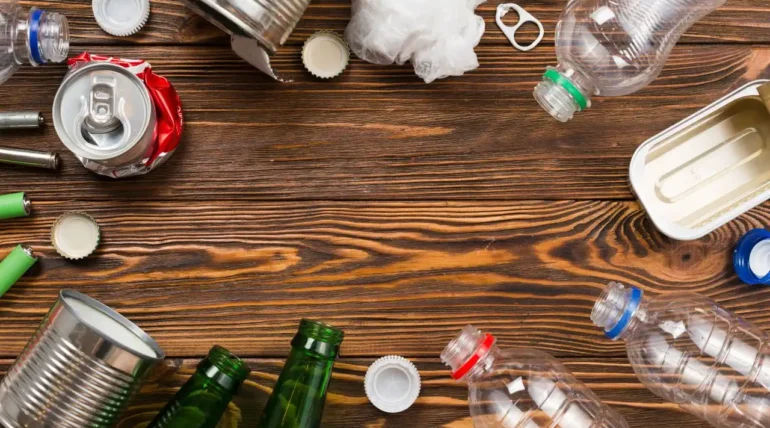
- Packaging complexity: One of the challenges of waste management in the beverage industry is that beverage packaging comes in different materials and may also involve multi-layer materials, meaning companies must know how to handle materials like glass, aluminum, and PET.
- Environmental regulations: Disposal must align with wastewater limits, EPA requirements, and local environmental regulations to prevent contamination and fines.
- Documentation requirements for regulatory defense: Verified destruction records, certificates, and audit-ready documentation are essential to demonstrate compliance and mitigate regulatory risk.
4 Types of Beverage Disposal Services
There are different types of beverage disposal services depending on your company’s unique requirements. This includes:
1. Standard Beverage Disposal
Standard beverage disposal includes expired or unsellable products, such as items affected by packaging defects, overstock, or changes in seasonal demand. All disposed inventory is handled according to approved disposal procedures.
A Certificate of Destruction is provided for inventory write-offs, serving as official documentation that the products were permanently destroyed and cannot be resold.
2. Beverage Disposal for Recalls
While all types of disposal require careful handling, beverage disposal for recalls is especially sensitive. In addition to an enhanced chain of custody from collection through destruction, it requires strict segregation protocols to prevent cross-contamination and audit-ready documentation to support regulatory and compliance requirements.
3. Alcohol Disposal
As mentioned, alcoholic beverages are subject to Tobacco Tax and Trade Bureau regulations. This adds an extra layer of complexity to disposal, requiring strict compliance with federal reporting requirements, controlled handling procedures, and documentation to verify lawful destruction.
4. Beverage Recycling
Beverage recycling is often the preferred disposal solution. It supports the food waste management hierarchy, which provides a framework for diverting materials away from landfills whenever possible.
Commercial food waste recycling offers benefits for both the environment and businesses, including potential tax incentives, cost savings, reduced methane emissions, and resource conservation.
However, recycling is only appropriate when products are safe and compliant; destruction may be required for recalled, contaminated, or regulated beverages to ensure they are fully removed from the market.
Why Standard Waste Disposal Fails for Beverages
Beverage destruction requires more specialized services than standard waste disposal for the following reasons:
- Standard haulers don’t provide Certificates of Destruction: Not all haulers issue Certificates of Destruction. Without a reliable verification system that proves materials were properly destroyed, companies face increased risk of reputational harm and potential legal or regulatory penalties.
- Mixed waste loads compromise chain of custody: Beverage waste requires different handling than organic waste, electronic waste, or other regulated materials. When waste streams are mixed, it can break the chain of custody, making it difficult to verify proper handling, treatment, and final disposition.
- Inability to distinguish recalled vs. compliant products: Different beverage disposal scenarios, such as recalls, expired inventory, or compliant destruction, require specific processes and documentation. Standard waste disposal often lacks the controls needed to properly identify, separate, and document these materials.
- Liquid disposal exceeds wastewater limits: Beverage products often contain high levels of sugars, alcohol, acids, or other compounds that can exceed municipal wastewater discharge limits. Improper disposal can overwhelm treatment systems and result in environmental violations, fines, or enforcement actions.
With specialized beverage destruction services, businesses gain access to tailored solutions that help them stay compliant, maintain proper documentation, and mitigate risk.
At Shapiro, we have a large network of certified processor facilities across the United States, enabling secure, compliant, and fully documented beverage destruction solutions tailored to each client’s needs.
Beverage Disposal Process & Chain of Custody
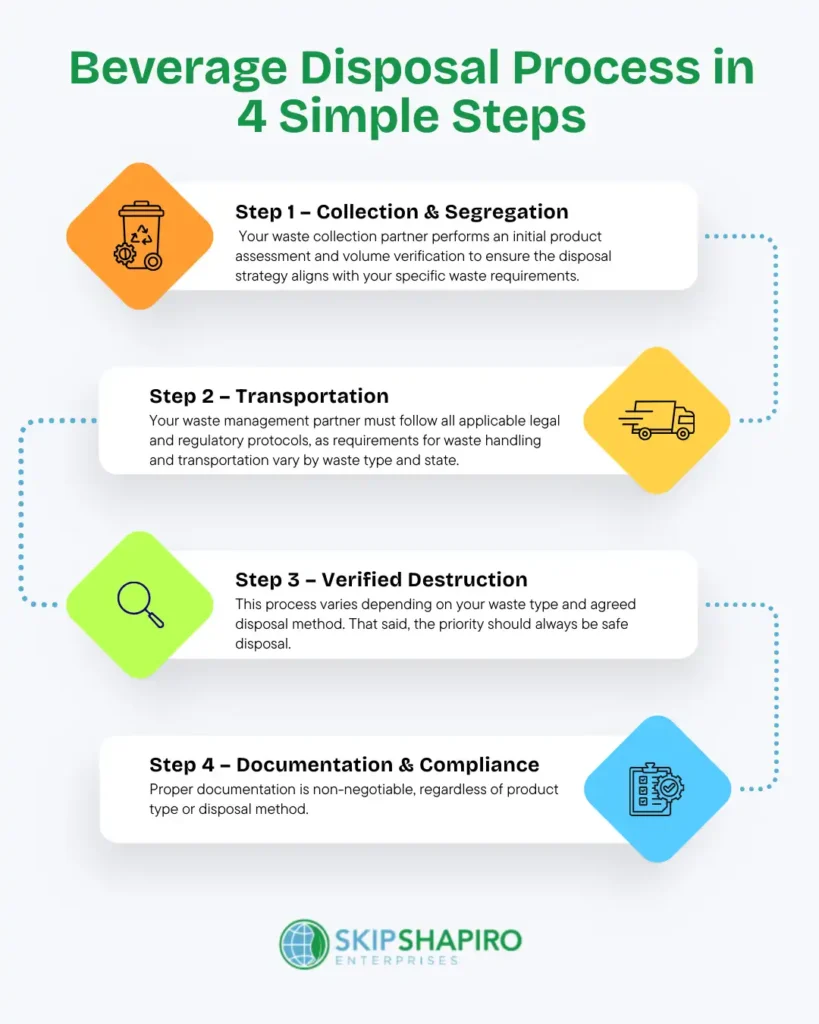
We’ve broken down the beverage disposal process into four key steps:
Step 1 – Collection & Segregation
The first step in beverage disposal is the collection and segregation of waste. Your waste collection partner performs an initial product assessment and volume verification to ensure the disposal strategy aligns with your specific waste requirements.
An important part of this process is product segregation to prevent cross-contamination. Clear protocols should be implemented both at your facility and by the waste management partner during collection and transport.
For your company, this may involve training employees to properly handle and separate waste, providing clearly labeled bins for different waste types, and maintaining accurate waste logs. For a waste management provider, this means following established chain-of-custody procedures, using dedicated collection methods, and ensuring materials remain properly identified, segregated, and documented throughout the disposal process.
Step 2 – Transportation
Next, the beverage waste must be transported to a processing facility. Your waste management partner must follow all applicable legal and regulatory protocols, as requirements for waste handling and transportation vary by waste type and state.
During transport, a Bill of Lading is used to document the shipment. This legal document records key details such as the type of waste, quantities transported, origin, destination, and chain-of-custody information, helping ensure traceability, compliance, and accountability throughout the disposal process.
Step 3 – Verified Destruction
The next step: destruction.
This process varies depending on your waste type and agreed disposal method. That said, the priority should always be safe disposal. By following EPA-compliant destruction methods, companies can reduce their environmental footprint and achieve their sustainability goals.
Verified destruction also includes documented proof, such as destruction reports or Certificates of Destruction, which confirm materials were permanently destroyed and removed from the supply chain.
Step 4 – Documentation & Compliance
Proper documentation is non-negotiable, regardless of product type or disposal method.
Comprehensive records help ensure compliance and keep your organization inspection-ready. While documentation requirements can vary by product type, waste classification, and jurisdiction, maintaining a clear and complete audit trail is essential.
For example, non-alcoholic beverage destruction typically requires core chain-of-custody documentation such as timestamped intake logs, weighbridge entries, and before-and-after photo evidence to verify proper handling and final disposition.
Regulatory Compliance in Beverage Disposal
Your waste management partner should stay up to date on all applicable regulatory requirements and help keep you informed and compliant as regulations evolve.
That said, here’s a quick overview of what you need to know.
1. FDA Requirements
While the FDA does not directly regulate beverage waste disposal, it does oversee food recalls. The FDA requires proper documentation of recalled products to evaluate, classify, monitor, and audit product recalls.
In many cases, this includes records showing that recalled beverages were properly disposed of or destroyed to ensure they cannot re-enter the marketplace.
2. TTB Alcohol Compliance
For alcoholic beverages, disposal and destruction are subject to oversight by the Alcohol and Tobacco Tax and Trade Bureau (TTB). When alcohol is destroyed rather than sold, TTB regulations may require documentation to verify the quantity destroyed and support compliance with federal alcohol laws and tax requirements.
Working with a specialized destruction partner helps ensure alcohol is handled in accordance with TTB requirements while maintaining accurate records for compliance, reporting, and potential audits.
3. EPA Environmental Regulations
The United States Environmental Protection Agency (EPA) regulates household, industrial, and manufacturing solid and hazardous wastes under the Resource Conservation and Recovery Act (RCRA). The EPA also sets wastewater discharge limits under the Clean Water Act, which can impact how beverage waste, especially liquids, is destroyed and discharged.
How Shapiro Supports Beverage Disposal
At Shapiro, we provide comprehensive beverage destruction services for companies across the United States. With more than 30 years of experience, we have managed the destruction of over 1 billion full beverage containers.
Our beverage disposal solutions include verified destruction with audit-ready documentation, robust chain-of-custody controls for recall situations, and TTB-compliant alcohol disposal. Each solution is designed to help clients stay compliant while protecting their brand and reducing risk.
Contact us today to learn more about our beverage disposal services.
Managing Beverage Disposal Without Compliance Risk
Improper beverage disposal can lead to environmental harm, reputational damage, and legal liability.
When evaluating your beverage destruction strategy, choosing the right waste management partner is critical to staying compliant. The right partner provides complete documentation, verified destruction to protect your brand, and risk mitigation against regulatory and legal exposure.
At Shapiro, we create tailored beverage disposal strategies designed to meet your unique requirements.
Contact us today to get started.
FAQs about Beverage Disposal
Beverage disposal differs from standard waste disposal because it requires specialized handling, verified destruction, chain-of-custody controls, and compliance with liquid discharge and recall regulations that standard waste haulers typically do not provide.
While it may seem convenient to use a regular waste hauler for beverage disposal, standard haulers typically lack the specialized processes, documentation, and compliance controls required for verified and compliant destruction.
After beverage disposal, companies typically receive documentation such as Bills of Lading, Certificates of Destruction, chain-of-custody records, and photo evidence to verify compliant handling and confirmed destruction.
Beverage disposal for recalls differs from regular disposal because it requires stricter chain-of-custody controls, enhanced segregation to prevent cross-contamination, and audit-ready documentation to meet regulatory and compliance requirements.
Yes, alcoholic beverages often require different disposal procedures because their destruction may be subject to oversight and documentation requirements from the Alcohol and Tobacco Tax and Trade Bureau (TTB).
Emergency beverage disposal can often be arranged within 24 to 48 hours, depending on the volume, location, and regulatory requirements involved.
If beverage disposal is not properly documented, companies may face compliance issues, failed audits, regulatory penalties, and increased risk of reputational damage due to the inability to prove that products were properly destroyed and removed from commerce.
Both parties share responsibility, but the brand ultimately remains accountable for disposal compliance. While the disposal vendor is responsible for following proper handling, transportation, and destruction procedures, the brand must ensure the vendor is qualified, compliant, and provides proper documentation to verify that disposal was completed correctly.
Baily Ramsey, an accomplished marketing specialist, brings a unique blend of anthropological insight and marketing finesse to the digital landscape. Specializing in educational content creation, she creates content for various industries, with a particular interest in environmental initiatives.